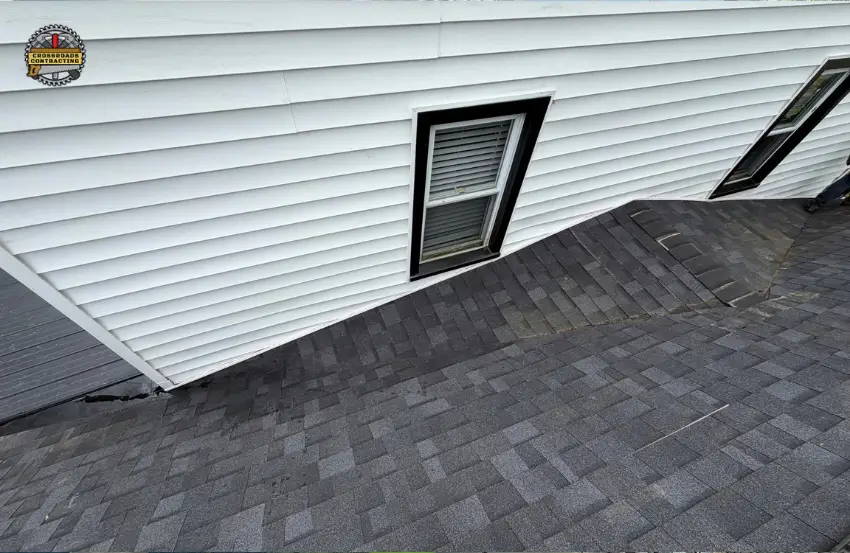
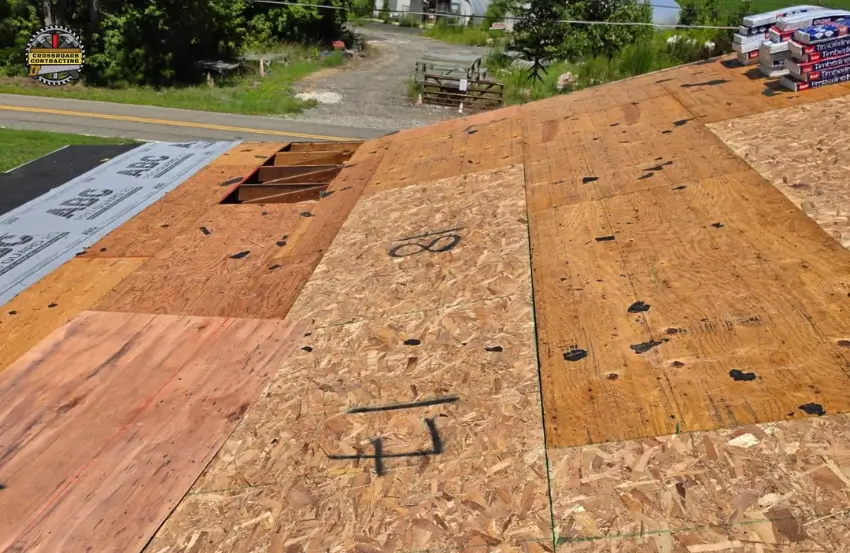
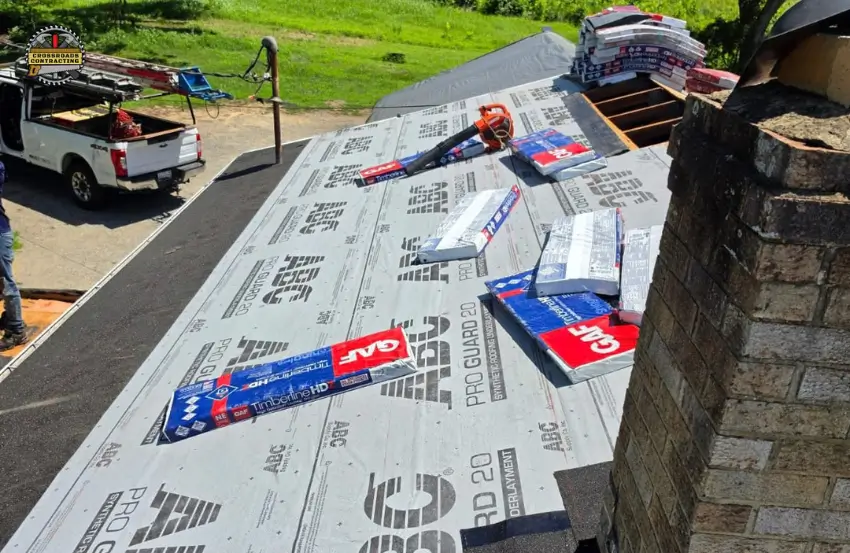
A professional Roof Inspection Montgomery County MD service typically examines the roof covering, flashing, drainage system, visible roof structure, penetrations, skylights, chimneys, and other accessible components that can affect the condition and performance of a home. The purpose is to identify current damage, potential leaks, installation concerns, aging materials, drainage problems, and conditions that could lead to more expensive repairs later. In Maryland, a roof inspection may also be performed as a limited-scope inspection when the concern is specifically related to the roof or water intrusion. Maryland inspection standards identify accessible roof covering, roof drainage components, flashing, skylights, chimneys, and roof penetrations as important areas of examination.
For homeowners in Montgomery County, an inspection can be especially useful after severe weather, before purchasing a property, before selling a home, when a roof is approaching the end of its expected service period, or whenever stains and moisture appear inside the house. A qualified inspection helps determine whether the property needs simple maintenance, targeted roof repair, or more extensive roof replacement. Crossroads Contracting LLC can help homeowners evaluate roofing concerns and understand the practical next steps based on the roof’s visible condition.
What Is Checked During a Roof Inspection?
A Montgomery County roof inspection begins with an assessment of the roof covering. The inspector looks for missing, cracked, curled, loose, blistered, or deteriorated shingles and other visible signs of wear. Areas around valleys, ridges, edges, and transitions deserve particular attention because water can enter when roofing materials or installation details have deteriorated.
Flashing is another critical inspection area. Flashing is installed around locations such as chimneys, walls, vents, skylights, and roof intersections to help prevent water from entering vulnerable joints. Damaged, corroded, displaced, or improperly sealed flashing can contribute to roof leaks even when the majority of the shingles still appear acceptable.
The inspection also considers the roof’s drainage system. Gutters, downspouts, drainage paths, roof edges, and areas where water may collect can affect the roof’s long-term performance. Poor drainage can contribute to moisture problems and deterioration around roofing and exterior building components. Maryland’s minimum inspection standards specifically identify roof drainage components as part of the accessible roof system.
Does a Roof Inspection Include the Attic?
An attic evaluation can provide valuable information because some roofing problems are easier to identify from inside the home than from the exterior. Depending on accessibility and the scope of the inspection, an inspector may look for visible moisture, staining, damaged wood, inadequate ventilation, or other conditions associated with roof performance.
A roof inspection is not necessarily the same as a complete home inspection. Maryland’s regulations allow limited-scope inspections of individual components, including roofs, but the inspection scope should clearly identify what was examined and what was not.
Homeowners should therefore ask whether the inspection includes attic access, interior signs of water intrusion, and documentation of areas that could not safely be accessed.
What About Storm Damage and Roof Leaks?
A storm damage roof inspection is particularly important after strong winds, heavy rain, hail, or other severe weather. Visible damage may include displaced shingles, damaged flashing, exposed roofing materials, blocked drainage, or water intrusion. Some problems may not be obvious from ground level.
For a roof leak inspection, the goal is to identify visible evidence and trace the likely source of moisture. A ceiling stain does not always mean the damaged area is directly above the stain because water can travel along roofing materials or structural components before becoming visible indoors.
Montgomery County homeowners should also understand the difference between a contractor’s inspection and an official government inspection. County building officials conduct inspections related to permitted construction and code compliance, while a roofing inspection for a homeowner generally focuses on evaluating the roof’s condition and identifying repair or maintenance needs. Montgomery County’s permitting program uses inspection and review processes to help enforce applicable building and safety codes.

How Often Should You Schedule a Roof Inspection?
There is no single schedule that fits every property. Roof age, roofing material, weather exposure, previous repairs, tree coverage, drainage, and the property’s maintenance history can all influence inspection needs.
A homeowner should consider a residential roof inspection Maryland service when purchasing or selling a home, after significant weather, when a leak develops, or when visible roofing deterioration becomes noticeable. Regular inspections can also help identify small maintenance issues before they develop into more disruptive water damage.
For homeowners planning a roof replacement, an inspection can help determine whether replacement is actually necessary or whether localized repairs and maintenance may extend the roof’s useful service life. This can improve budgeting and prevent unnecessary work.
What Should a Roof Inspection Report Include?
A useful roof condition assessment should explain the visible condition of the major roofing components and identify significant concerns in understandable language. Photographs can be particularly valuable because they allow homeowners to see the areas being discussed.
The report should distinguish between immediate repair needs, maintenance recommendations, and conditions that may require monitoring. Homeowners should also ask whether the inspector excluded inaccessible areas from the inspection and whether they recommend additional evaluation.
The distinction matters because Maryland’s inspection standards recognize that inspectors do not always need to walk on a roof when doing so could be unsafe or could damage roofing materials. They also identify several determinations, such as exact remaining life expectancy or certain specialized damage assessments, that may fall outside a standard visual inspection.
How Does an Inspection Help With Roofing Costs?
A professional inspection can improve decision-making before committing to a major roofing project. Instead of immediately assuming that a roof requires complete replacement, homeowners can first identify the actual visible problems and determine which repairs are necessary.
Cost can depend on roof size, pitch, material, accessibility, damage severity, flashing conditions, ventilation, decking condition, and the extent of required labor. A small repair may be considerably less expensive than a full replacement, while widespread deterioration can make replacement the more practical long-term investment.
Homeowners should obtain a written scope of work before authorizing significant repairs. Maryland’s Home Improvement Commission advises consumers to verify contractor licensing, obtain references, request current liability insurance documentation, and use a written contract. Maryland also regulates home improvement contractors through the Maryland Home Improvement Commission, making licensing an important consideration when selecting a contractor.
Why Choose a Local Roofing Contractor?
Local knowledge can be valuable when evaluating roofing systems in Montgomery County and throughout Maryland. Weather exposure, seasonal moisture, drainage conditions, building characteristics, and local requirements can all influence roofing decisions. Homeowners should look for a contractor who can clearly explain findings rather than simply recommending the most expensive option.
Crossroads Contracting LLC provides roofing and exterior contracting services for homeowners who need help understanding roof damage, maintenance, repairs, or replacement options. A professional evaluation can give homeowners a clearer picture of their roof’s current condition and help them prioritize safety, protection, cost, and long-term value.
If you notice missing shingles, recurring leaks, ceiling stains, damaged flashing, or signs of storm damage, scheduling a Roof Inspection Montgomery County MD service can be a practical first step. Identifying roofing problems early can help protect the structure of your home, reduce unexpected repair costs, and support better long-term maintenance decisions.