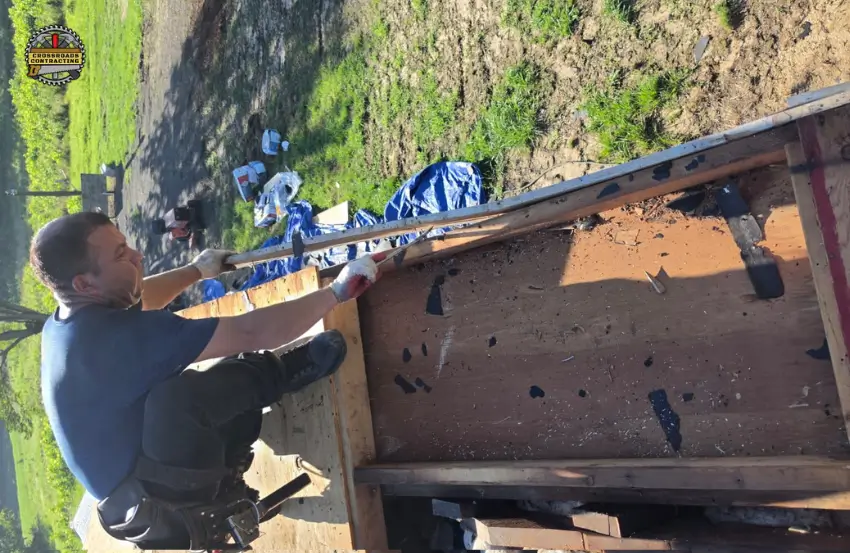
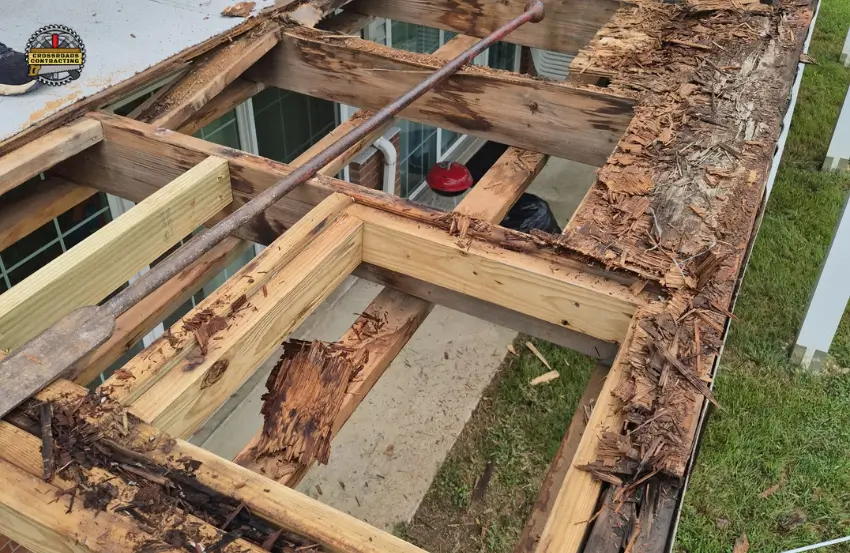
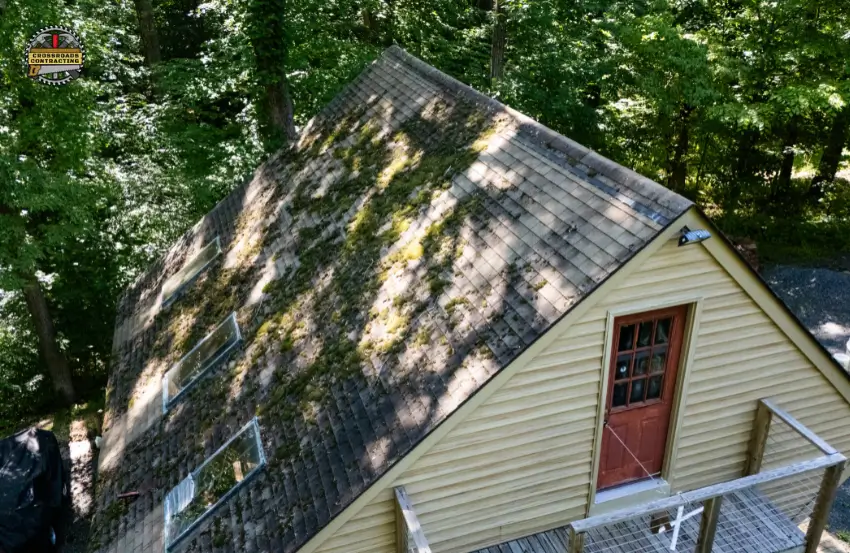
Storm damage can affect much more than the visible condition of a roof. High winds, hail, heavy rain, fallen branches and severe weather can damage shingles, flashing, gutters, siding, windows and the underlying structure of a home. Storm Damage Restoration Southern Maryland generally begins with making the property safe, documenting the damage, arranging a professional inspection and completing necessary temporary or permanent repairs.
For homeowners in North Beach, Chesapeake Beach, Dunkirk, Huntingtown, Prince Frederick and other Southern Maryland communities, acting quickly can help prevent a small opening in the roof from becoming extensive interior water damage. The Maryland Insurance Administration recommends contacting your insurer after a loss, documenting damaged areas with photographs or video, and keeping records related to the claim.
A professional storm damage inspection should determine whether the problem involves isolated shingle damage, widespread roof damage, structural concerns, siding damage, gutter problems or water intrusion. Crossroads Contracting LLC can help homeowners understand what restoration work may be necessary and how the repair process should proceed.
What Does Storm Damage Restoration Include?
Storm restoration is the process of bringing a damaged property back to a safe, functional condition. The exact work depends on the type and severity of the storm.
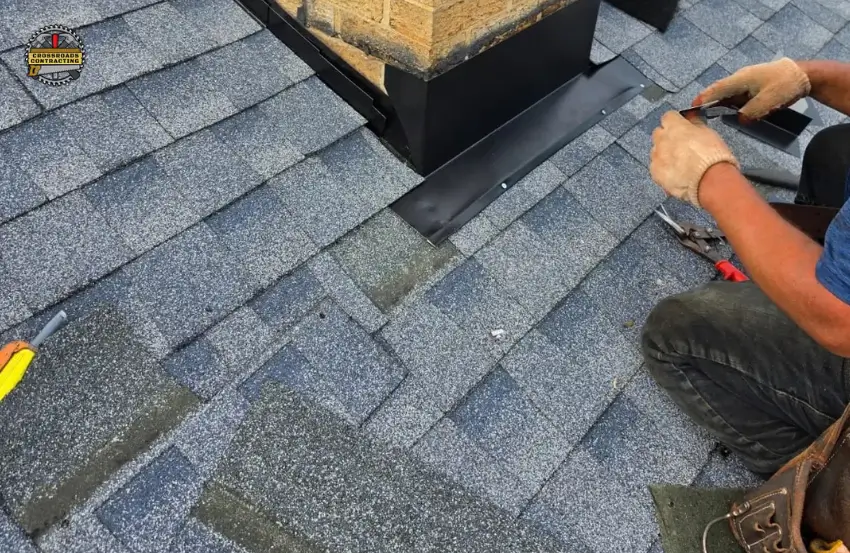
For a roofing system, restoration may involve replacing damaged shingles, repairing flashing, addressing exposed roofing materials, correcting leaks or replacing sections of the roof. Severe damage may require a complete roof replacement after a storm rather than a localized repair.
Storms can also affect siding and gutters. Hail can leave dents or cracks in exterior materials, while wind can loosen siding panels or pull gutters away from the fascia. A complete inspection should therefore examine the entire exterior rather than focusing only on the most obvious roof damage.
Why Should You Inspect the Roof After a Storm?
Some storm damage is difficult to see from ground level. Shingles can be lifted, cracked or displaced without creating an immediate interior leak. Flashing around chimneys, vents and roof penetrations can also be compromised.
A professional roof inspection after a storm can identify damage before moisture enters the attic or living space. Early detection can reduce the possibility of secondary problems involving insulation, ceilings, drywall, framing and interior finishes.
Homeowners should avoid climbing onto a damaged roof themselves. Wet surfaces, loose shingles and unstable areas can create significant fall hazards. Photographs taken safely from ground level can be useful, while a qualified contractor can perform the closer inspection.
How Does Insurance Work After Storm Damage?
Insurance coverage depends on the individual homeowners policy, the cause of the damage, coverage limits and the applicable deductible. Maryland Insurance Administration guidance states that homeowners policies typically cover sudden and accidental losses caused by covered perils such as wind and hail, while normal maintenance and deterioration are generally not covered.
This distinction is important. A storm may expose an existing roofing weakness, but an insurer may distinguish between newly caused storm damage and deterioration that existed before the weather event.
Homeowners should document the property before removing damaged materials whenever practical and contact their insurance company promptly. The Maryland Insurance Administration also recommends obtaining multiple contractor bids and comparing them with the adjuster’s report before settling a claim.
Storm restoration contractors can provide documentation and repair estimates, but homeowners should understand who is responsible for negotiating an insurance claim. Maryland specifically warns consumers to be cautious about contractors who claim they can manage or negotiate insurance claims on the homeowner’s behalf.
What About Emergency Roof Repairs?
A damaged roof should be protected from additional weather exposure as quickly as reasonably possible. Emergency roof repair Southern Maryland may involve temporary measures designed to limit water intrusion until permanent restoration can be completed.
For example, a storm may remove several shingles near a roof edge while leaving the majority of the roofing system intact. Temporary protection followed by a detailed inspection can prevent additional rain from entering through the exposed area.
Homeowners should also watch for interior warning signs such as new ceiling stains, dripping water, damp insulation or unusual moisture in the attic. These symptoms can indicate that a roof opening is allowing water into the home.
What Does Storm Restoration Cost in Southern Maryland?
There is no single price for storm damage restoration because the cost depends on the type of damage, affected area, materials, accessibility, structural conditions and whether repairs or replacement are necessary.
A small number of damaged shingles may require a relatively limited repair, while widespread wind or hail damage could involve substantial roofing work. Damage to siding, gutters, windows or interior areas can increase the total restoration cost.
Insurance can also affect the homeowner’s out-of-pocket expense. Deductibles vary by policy, and Maryland notes that some policies may contain separate deductibles for wind, hail, hurricanes or other storm-related losses.
For that reason, homeowners should obtain a detailed scope of work rather than making decisions based solely on a verbal estimate.
Do Storm Repairs Require Permits?
Permit requirements depend on the type of work and the local jurisdiction. This matters throughout Southern Maryland because different counties and municipalities can have specific requirements.
For example, Calvert County states that roof construction or replacement of roof sheathing requires a building permit, while certain shingle-only replacement work in the Critical Area has different requirements. Calvert County’s inspections division administers applicable building codes and performs inspections intended to protect public health and safety.
Before major restoration begins, homeowners should confirm which permits and inspections apply to their property and project.
How Can Homeowners Choose a Storm Damage Contractor?
Choosing a qualified contractor is an important part of protecting both the property and the restoration investment. Maryland’s insurance administration recommends getting multiple bids, checking references and requesting evidence of appropriate licensing, permits, insurance and bonding.
Homeowners should also be cautious of unsolicited “free roof” offers following severe weather. Maryland regulators have specifically warned about contractors who misrepresent normal wear and tear as storm damage or pressure homeowners into insurance claims.
For homeowners searching for storm damage repair Southern Maryland, a local contractor familiar with the area’s housing conditions, weather exposure and permitting requirements can make the restoration process easier to manage.
Why Local Storm Damage Restoration Matters
Southern Maryland properties experience different weather exposures depending on location. Homes near the Chesapeake Bay and coastal communities such as North Beach and Chesapeake Beach can experience strong wind and heavy rain, while homeowners throughout Calvert County, Charles County and St. Mary’s County may face different combinations of wind, hail, fallen trees and water intrusion.
A restoration approach should therefore consider the entire exterior envelope of the home rather than treating the roof as an isolated component. Properly restoring roofing, flashing, gutters, siding and other affected areas can help protect the home’s long-term value and reduce the likelihood of recurring problems.
For homeowners who need Storm Damage Restoration Southern Maryland, Crossroads Contracting LLC provides a local option for evaluating storm-related exterior damage and determining the appropriate next step. A thorough inspection, clear documentation and properly planned repairs can help turn an unexpected storm event into a manageable restoration project.