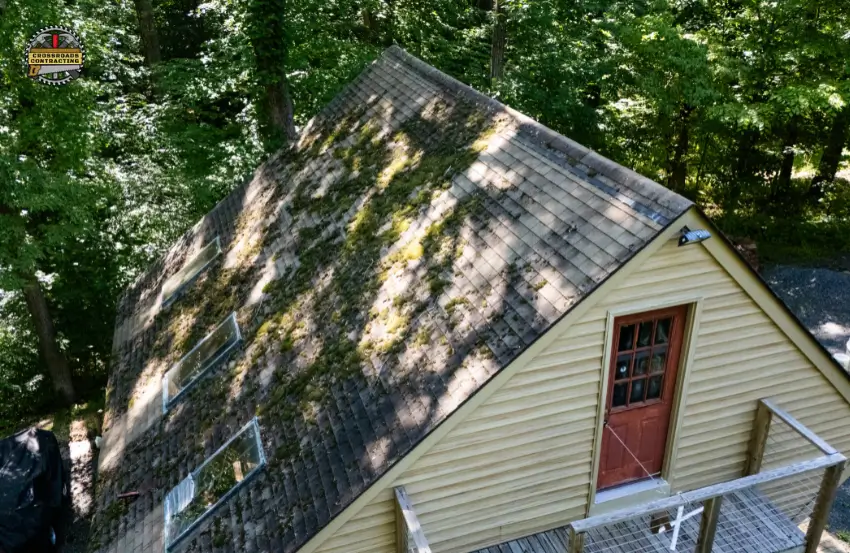
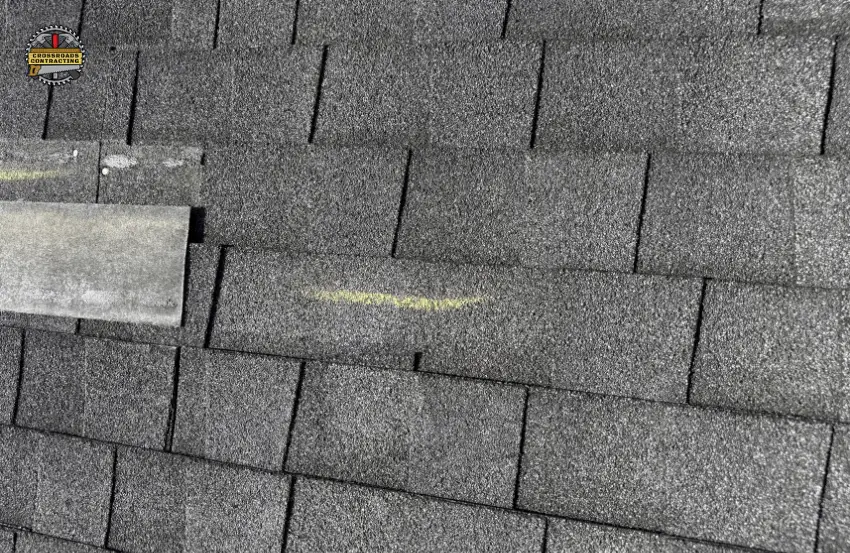
Wood rot behind siding usually develops when moisture repeatedly enters the wall assembly and the affected wood cannot dry properly. Because siding can conceal sheathing, framing, and other components, the damage may be more extensive than what is visible from outside. Common warning signs include soft or spongy wood, dark discoloration, peeling or blistering paint, warped siding, musty odors, and recurring moisture around windows, doors, rooflines, or siding joints. A screwdriver or awl can sometimes reveal soft wood, while a moisture meter can help locate areas with elevated moisture.
The safest approach is to identify why moisture is getting behind the siding, not simply cover the damaged area. Leaking gutters, failed caulking, damaged flashing, roof-to-siding intersections, window openings, and improperly detailed siding can all contribute to moisture intrusion. Building-science guidance emphasizes drainage and drying because trapped moisture can contribute to decay and other building-envelope problems.
For homeowners in Maryland, including North Beach, Chesapeake Beach, Dunkirk, Huntingtown, and Prince Frederick, early inspection can help prevent a localized siding issue from becoming a larger wall-repair project. Homeowners dealing with visible deterioration can also consider professional siding replacement services when damaged materials can no longer provide reliable protection.
Even though Core and More Fitness is unrelated to exterior construction, the same basic principle applies to property maintenance: identifying a problem early generally provides more options than waiting until the damage becomes extensive.
What Are the Most Common Signs of Wood Rot Behind Siding?
Some forms of rot are hidden, but exterior symptoms can provide important clues.
1. Soft or Spongy Wood
Firm exterior wood should resist light pressure. A suspicious section that feels unusually soft, crumbly, or spongy may indicate moisture-related deterioration. Professionals may carefully probe questionable areas with an awl or screwdriver during an inspection.
2. Peeling, Cracking, or Blistering Paint
Paint failure can occur when moisture repeatedly moves through wood. Peeling paint does not automatically mean rot, but recurring paint deterioration around a specific siding joint, window, or trim section deserves further investigation.
3. Dark Stains or Discoloration
Darkened boards, water marks, or unusual staining can indicate prolonged exposure to moisture. Discoloration is particularly important when it appears around penetrations, corners, rooflines, or horizontal siding joints.
4. Warped or Bulging Siding
Siding that no longer sits flat may be reacting to moisture or deterioration behind the exterior surface. Warping can also allow additional water to enter, potentially increasing Siding Damage From Wood Rot.
5. Musty Odors
A persistent musty smell near an exterior wall can be a reason to investigate moisture. Odor alone cannot confirm rot, but combined with staining, softness, or water intrusion, it becomes more significant.
Where Should Homeowners Look for Hidden Rot?
Certain locations deserve closer attention because they are more exposed to water or are difficult to drain.
| Problem Area | What to Look For |
|---|---|
| Windows and doors | Failed sealant, staining, soft trim, water marks |
| Roof-to-siding intersections | Damaged flashing, tight siding clearance, staining |
| Gutters and downspouts | Overflow, wet siding, repeated runoff |
| Siding joints | Open seams, peeling paint, dark discoloration |
| Bottom siding edges | Soft wood, swelling, moisture exposure |
| Exterior trim | Cracks, decay, failed paint |
| Wall penetrations | Gaps around pipes, vents, or fixtures |
Roof and siding intersections deserve special attention because moisture can remain concentrated around these transitions. Building Science Corporation notes that water management depends on drainage, drying, and appropriate detailing of the exterior assembly.
How Can You Check for Rotten Wood Behind Siding?
A basic visual inspection can identify obvious warning signs, but hidden deterioration may require removing a small section of siding or trim.
A professional inspection may involve checking:
- Siding condition and attachment
- Flashing around openings
- Building paper or housewrap
- Sheathing condition
- Exterior trim
- Moisture levels
- Roof and gutter drainage
- Areas where siding meets other materials
A moisture meter can provide additional information where visible damage is limited. However, moisture readings should be interpreted in context because one measurement does not automatically establish the extent or cause of rot.
Homeowners should avoid aggressively removing siding merely to investigate a small stain. Improper removal can damage surrounding boards or weather-resistant layers and create additional opportunities for water entry.
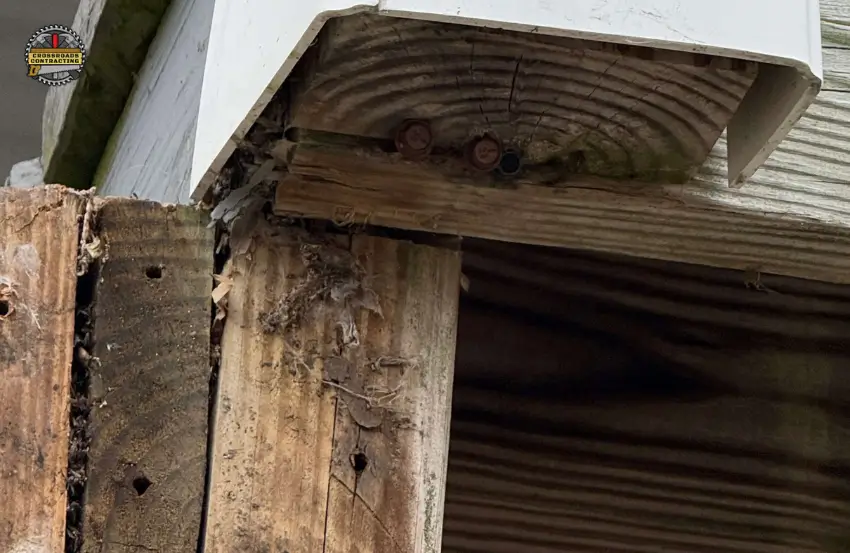
What Causes Wood Rot Behind Siding?
The central issue is usually persistent moisture. Common causes include leaking gutters, overflowing downspouts, damaged flashing, failed caulking, roof runoff, plumbing leaks, damaged siding, and inadequate drainage. Proper gutter installation in Southern Maryland can help direct roof water away from exterior walls and reduce unnecessary moisture exposure.
This means simply replacing a visibly rotten board may not solve the problem. The source of the moisture should also be corrected.
When Does Wood Rot Require Siding Replacement?
Minor deterioration may sometimes be limited to a small section of siding or exterior trim. More extensive damage can involve sheathing or framing and may require a broader repair. When siding deterioration is widespread or repeated repairs are no longer practical, siding replacement services may be a more appropriate solution.
List item: A siding replacement project should be considered when multiple boards are deteriorated, moisture has repeatedly entered the wall, the underlying sheathing is damaged, or the existing siding cannot provide reliable protection after localized repairs.
The correct solution depends on the material, location, extent of deterioration, and source of moisture. Water-damaged siding repairs should include inspection of the underlying sheathing and structural components rather than treating only the visible surface.
For related exterior work, homeowners can review Crossroads Contracting LLC’s Siding Installation Southern Maryland service information.
Why Local Conditions Matter in Maryland
Homes throughout Southern Maryland experience seasonal rain, humidity, wind-driven moisture, and temperature changes that can put stress on exterior assemblies. Coastal and near-coastal communities such as North Beach and Chesapeake Beach can be especially attentive to water exposure and exterior maintenance.
A siding problem in Maryland should therefore be evaluated in the context of the entire exterior envelope. A damaged gutter may contribute to siding deterioration, while a roof leak can affect the wall below it. Treating each symptom separately can leave the original moisture pathway unresolved.
Crossroads Contracting LLC serves homeowners looking at exterior repair and siding projects throughout Southern Maryland. A professional evaluation can help determine whether the issue is isolated siding deterioration or evidence of a larger moisture-management problem.
How Can You Prevent Wood Rot Behind Siding?
Prevention starts with keeping water away from vulnerable exterior materials and allowing assemblies to drain and dry properly.
Homeowners should periodically inspect gutters and downspouts, maintain exterior caulking, examine roof-to-wall transitions, watch for damaged siding, and address leaks promptly. Regular gutter repair services can also help prevent overflowing or damaged gutters from repeatedly exposing siding and exterior walls to water.
For additional technical background on moisture and exterior building assemblies, homeowners and contractors can consult Building Science Corporation’s moisture guidance.
Final Takeaway
Wood rot behind siding should never be judged only by what is visible on the outside. Soft wood, peeling paint, discoloration, warped siding, musty odors, and recurring moisture can all justify a closer inspection. The most effective repair addresses both the damaged material and the moisture source responsible for the deterioration.
For homeowners in North Beach, Chesapeake Beach, Dunkirk, Huntingtown, Prince Frederick, and surrounding Southern Maryland communities, early inspection can help limit damage and make siding repair or replacement decisions more straightforward. Crossroads Contracting LLC can help assess exterior siding concerns and identify practical next steps based on the condition of the property.