Wet insulation in an attic usually indicates that moisture is entering the roof system or accumulating because of inadequate ventilation. Common wet attic insulation signs include damp or compressed insulation, water stains on roof decking, musty odors, visible mold or mildew, discolored rafters, and areas where insulation feels heavier or clumps together. Wet insulation should not be ignored because moisture can reduce insulation performance and contribute to deterioration of wood components.
The most common sources include roof leaks, damaged flashing, clogged or poorly functioning gutters, plumbing or HVAC issues, and warm moist air escaping from the living space. The U.S. Department of Energy identifies roof leaks, flashing problems, inadequate ventilation, and moisture entering from inside the home as important causes of attic moisture.
For Maryland homeowners, addressing the source is especially important before replacing insulation. Maryland guidance recommends repairing roof leaks before attic air sealing or insulation work and reducing moisture sources that enter the attic. Crossroads Contracting LLC can help homeowners in Southern Maryland investigate roof-related moisture problems and determine whether roof repair, flashing work, ventilation improvements, or related exterior repairs are needed.
What Are the Most Common Signs of Wet Attic Insulation?
Recognizing moisture early can prevent a relatively small roof problem from becoming extensive structural damage.
1. Damp, Heavy, or Compressed Insulation
One of the clearest Signs of Wet Insulation in Attic spaces is insulation that feels damp, unusually heavy, flattened, or clumped together. Fiberglass and other insulation materials can lose effectiveness when moisture accumulates around or within them.
Wet insulation may also remain damp after the visible water disappears. This is why simply wiping away a water stain does not necessarily solve the underlying problem.
2. Water Stains on Roof Decking
Brown, yellow, gray, or dark stains on plywood or other roof-decking materials can indicate previous or ongoing water intrusion.
The U.S. Department of Energy specifically identifies wet attic insulation, warped or rotting wood, and other attic conditions as potential signs of water intrusion.
If staining appears near a roof penetration, chimney, skylight, vent, or flashing area, the roof should be inspected carefully.
3. Musty Odors
A persistent musty smell in an attic or upper floor can indicate excessive moisture. Odors may become stronger after rainfall or during periods of high humidity.
A smell alone does not prove that insulation is wet, but combined with staining, dampness, or visible mold, it deserves prompt investigation.
4. Mold or Mildew Growth
Mold and mildew are important warning signs of moisture problems. The EPA emphasizes that moisture control is central to mold prevention and recommends drying wet building materials promptly.
Visible growth on roof decking, rafters, sheathing, or insulation means the moisture source needs to be identified rather than simply treating the surface.
5. Discolored or Deteriorating Wood
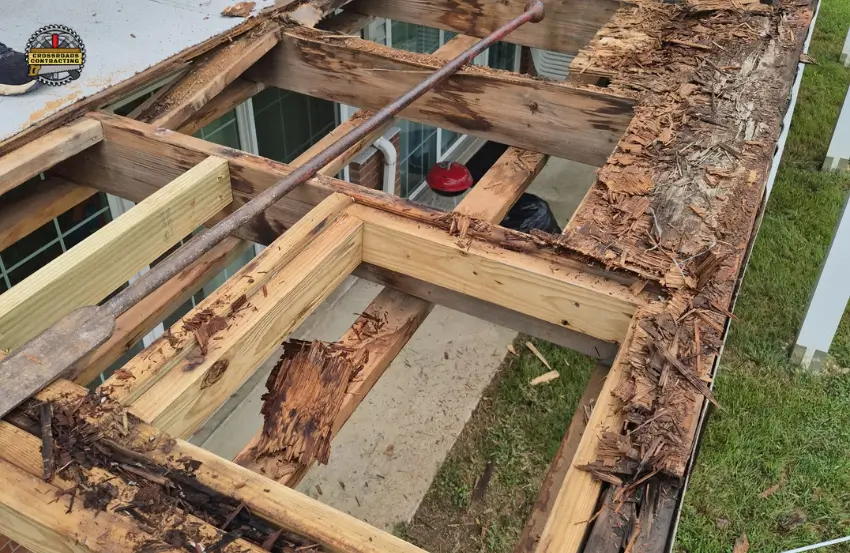
Darkened wood, staining, soft spots, or visible deterioration around roof framing can indicate prolonged moisture exposure.
Water damage in attic insulation can sometimes occur alongside damage to the wood supporting the roof system. This makes early inspection particularly important.
What Causes Wet Attic Insulation?
There is rarely one universal cause. A proper inspection should consider the entire roof and attic system.
Roof Leaks
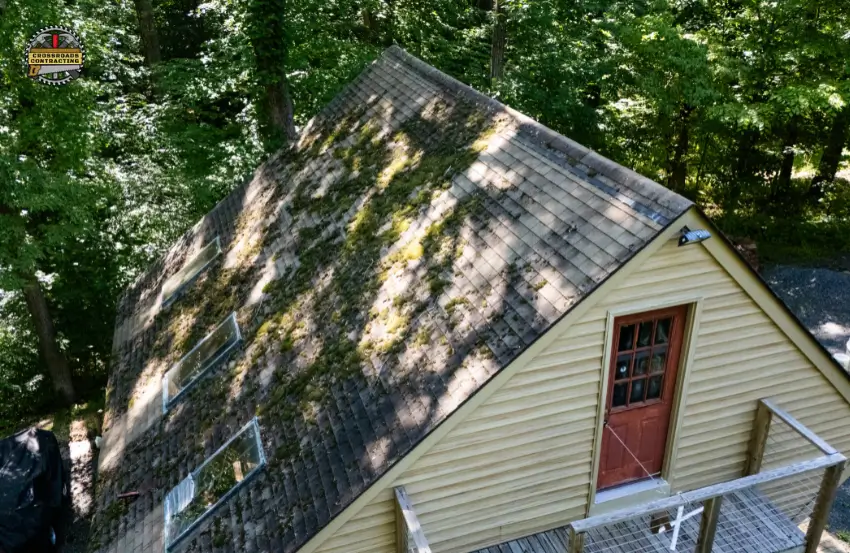
Damaged shingles, failed roof penetrations, deteriorated flashing, and storm damage can allow rainwater to enter the attic.
For Maryland homes, heavy rain, wind, and seasonal storms can expose weaknesses that may not have been obvious before the event.
Poor Attic Ventilation
Insufficient ventilation can allow heat and moisture to accumulate inside the attic. Maryland regulations recognize the importance of attic ventilation for controlling dampness and minimizing conditions that contribute to decay and deterioration.
Ventilation problems can become more noticeable when indoor humidity rises or during major temperature changes.
Bathroom and Kitchen Exhaust
Moist air should be properly exhausted outside rather than discharged into an attic. The Department of Energy specifically warns that bathroom fans, kitchen exhaust, and dryers venting into an attic can contribute to moisture and mold problems.
Gutter and Roof Drainage Problems
Overflowing gutters or poorly directed downspouts can contribute to water intrusion around roof edges and exterior walls. Maryland property-maintenance standards also address controlled roof-water disposal through gutters and downspouts.
What Should You Do About Wet Attic Insulation?
The first priority is to identify and stop the moisture source.
| Problem | Possible Source | Recommended Action |
|---|---|---|
| Wet insulation near roof edge | Roof or flashing leak | Inspect roof edge and flashing |
| Staining around chimney | Failed flashing | Professional flashing inspection |
| Widespread attic dampness | Ventilation or humidity | Evaluate attic ventilation and moisture sources |
| Mold on roof decking | Persistent moisture | Identify source and assess affected materials |
| Wet insulation after storms | Roof damage | Inspect roof covering and penetrations |
| Moisture near bathroom | Exhaust problem | Verify exhaust is properly vented outdoors |
Avoid covering wet insulation with new insulation before resolving the moisture problem. Maryland’s Department of Housing and Community Development guidance specifically recommends repairing roof leaks before attic insulation work.
Can Wet Attic Insulation Cause Expensive Damage?
Yes. Wet Attic Insulation Problems can extend beyond reduced insulation performance.
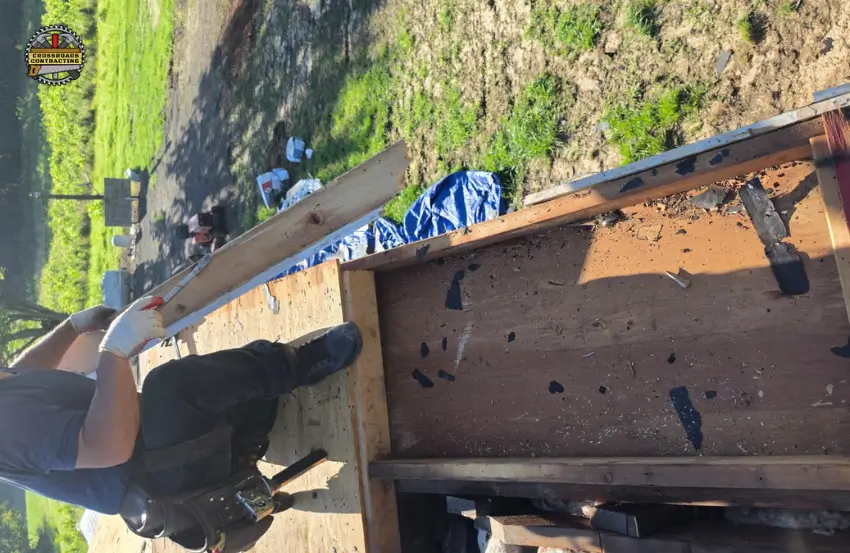
Persistent moisture can contribute to mold growth, deterioration of roof decking, damaged framing, unpleasant odors, and reduced energy efficiency. The Department of Energy notes that attic moisture can damage the roof structure and make insulation ineffective.
The financial impact depends on how long the moisture has been present, the source of the leak, the amount of affected insulation, and whether structural materials have been damaged.
Early roof inspection and moisture correction can therefore provide better long-term value than waiting until visible interior damage appears.
Why Local Inspection Matters in Southern Maryland
Homes in North Beach, Chesapeake Beach, Dunkirk, Huntingtown, Prince Frederick, and surrounding Southern Maryland communities can experience moisture problems from storms, aging roofing materials, flashing failures, and drainage issues.
A roof inspection should consider more than just missing shingles. Maryland’s inspection standards identify roof coverings, drainage components, flashing, skylights, chimneys, and roof penetrations as parts of the roof system that may need visual inspection.
Homeowners who notice wet insulation should also consider whether the problem is isolated or part of a larger roof or ventilation issue.
For related roofing concerns, see Crossroads Contracting LLC’s Roof Inspection Services in Southern Maryland and Roof Repair Specialist in Southern Maryland.
When Should Wet Attic Insulation Be Replaced?
Replacement depends on the insulation type, extent of saturation, contamination, drying conditions, and whether the material has lost its intended performance.
Small areas may sometimes be salvageable after the moisture source is corrected and the material is properly dried. Severely saturated, contaminated, deteriorated, or mold-affected insulation may require removal and replacement.
The key point is that insulation replacement should come after identifying the cause of the moisture. Otherwise, newly installed insulation could become wet again.
How Can Homeowners Prevent Attic Moisture?
Prevention starts with regular roof maintenance and moisture control.
Homeowners should periodically check shingles, flashing, roof penetrations, gutters, and downspouts. Bathroom and kitchen exhaust should discharge outdoors, and attic ventilation should be evaluated when persistent humidity or condensation occurs.
Maryland’s building standards recognize attic ventilation as an important component for reducing dampness and preventing conditions associated with deterioration.
After major storms, an exterior roof inspection can also help identify damage before a small leak becomes a larger attic problem.
Final Takeaway
The most important wet attic insulation signs are damp or compressed insulation, water stains, musty odors, mold or mildew, and discolored or deteriorating roof wood. These conditions usually point to an underlying moisture source rather than an insulation problem alone.
Finding the source early can help protect the roof structure, improve energy performance, and reduce the possibility of expensive repairs. Crossroads Contracting LLC serves homeowners in Southern Maryland with roofing-related services and can help evaluate problems involving roof leaks, flashing, storm damage, and attic moisture.
For authoritative information about attic moisture and durable attic construction, homeowners can review the U.S. Department of Energy’s Guide to Durable Attics and Maryland’s building code requirements.