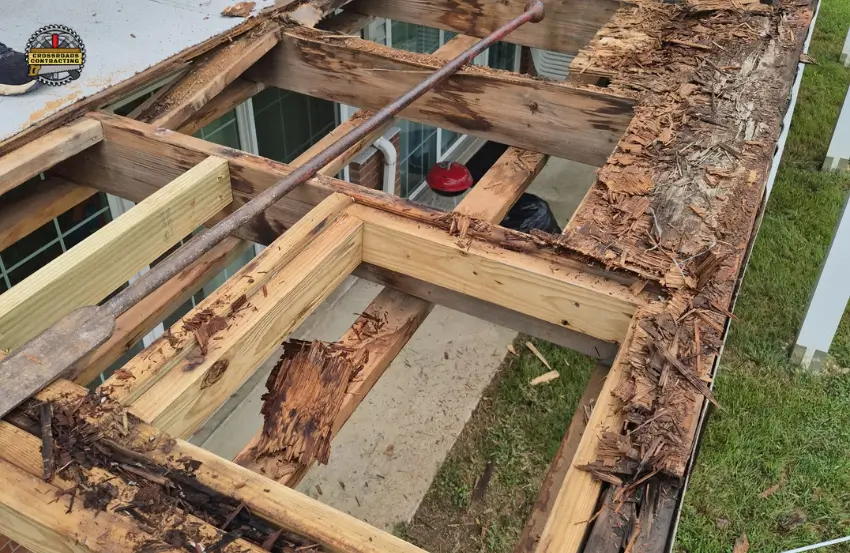
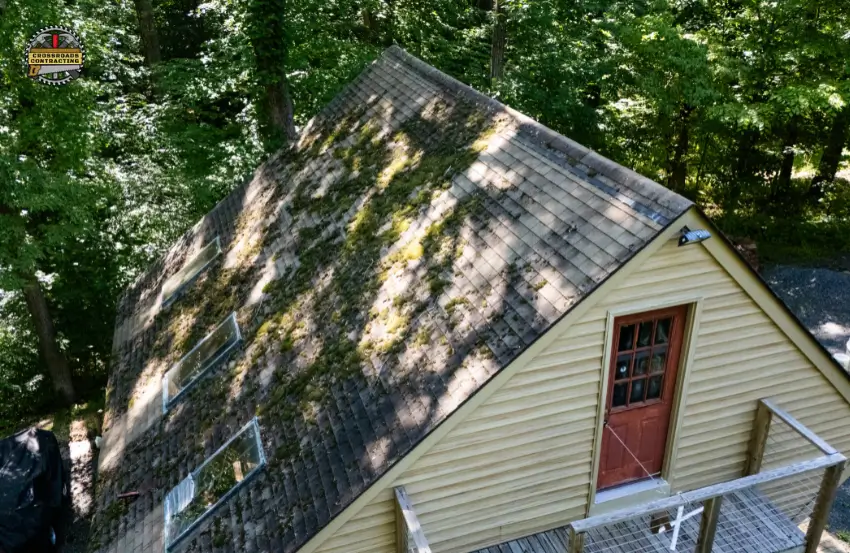
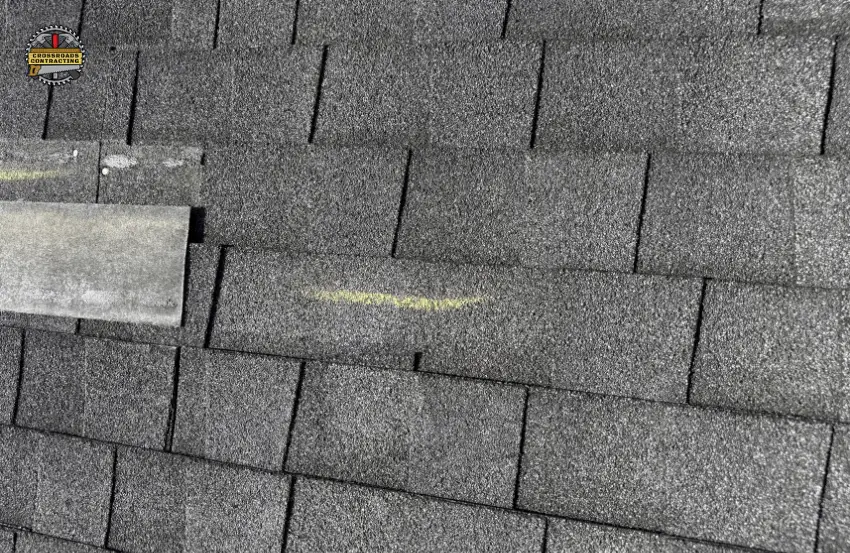
Roof blistering is a roofing problem that appears as small, raised bubbles or pimple-like bumps on the surface of asphalt shingles. These bumps may develop across individual shingles or in larger areas of a roof. Homeowners can often identify roof blistering by looking for raised spots, missing protective granules, or small exposed patches on the shingle surface.
The most important step is determining whether the blisters are cosmetic or associated with a larger roofing problem. Moisture trapped within the roofing system, inadequate attic ventilation, and excessive roofing cement can contribute to blister formation. Although blisters do not automatically mean a roof is leaking, damaged shingles or significant granule loss deserve closer inspection.
To identify roof blistering, examine the roof from the ground with binoculars and look for clusters of raised spots or uneven shingle surfaces. Check the attic for damp insulation, water stains, and condensation. Avoid climbing onto a steep or damaged roof to inspect it yourself.
Crossroads Contracting LLC helps homeowners in North Beach and surrounding Southern Maryland communities address roofing concerns through appropriate inspection and repair planning. Early assessment can help homeowners understand the condition of their shingles, identify possible moisture problems, and decide whether monitoring, localized repairs, or broader roof work is appropriate.
What Causes Roof Blistering?
Understanding the causes of roof blistering helps homeowners avoid unnecessary repairs and identify problems that could shorten the life of their roofing system.
1. Trapped Moisture
Moisture can become trapped beneath shingles or within roofing materials during installation. For example, roof decking exposed to rain before a roof replacement may retain moisture when new shingles are installed. Moisture can also accumulate when humid indoor air reaches a poorly ventilated attic and condenses beneath the roof deck.
The Asphalt Roofing Manufacturers Association explains that inadequate ventilation and moisture management can contribute to premature roofing problems, including blistering.
2. Poor Attic Ventilation
Attic ventilation helps manage heat and moisture beneath the roof. When intake and exhaust ventilation are inadequate or unbalanced, moisture may accumulate and temperatures may rise excessively. These conditions can contribute to shingle deterioration and other roofing problems.
A roofing professional can assess existing vents, insulation, air leakage, and attic moisture before recommending changes.
3. Excessive Roofing Cement
Roofing cement is used for specific sealing and repair applications, but applying too much beneath asphalt shingles can contribute to blistering. Excess material may interfere with the intended performance of the roofing assembly.
Following the shingle manufacturer’s installation instructions is essential when installing or repairing shingles.
4. Aging and Material Deterioration
Older asphalt shingles may experience granule loss, cracking, brittleness, and surface deterioration. Blisters can become more noticeable as a roof ages, but age alone does not establish the cause. A professional inspection can help distinguish normal wear from moisture-related or installation-related problems.
How Can You Identify Roof Shingle Blistering?
Roof shingle blistering can resemble other types of damage, so look for several signs rather than relying on a single raised spot.
- Small raised bumps: Look for rounded, bubble-like spots scattered across shingle surfaces.
- Granule loss: Notice areas where the protective mineral granules appear thin or missing.
- Exposed asphalt: Some damaged blisters may reveal darker material beneath the granule surface.
- Clusters of surface defects: Several similar bumps across a roof section may indicate a recurring material or installation issue.
- Other roofing symptoms: Look for curling shingles, cracked surfaces, loose tabs, or signs of moisture in the attic.
Do not puncture blisters to test them. Breaking the shingle surface can expose underlying material and potentially create a path for water intrusion.
Roof Blistering vs. Hail Damage
Blistering and hail damage can sometimes look similar from the ground, but they have different possible causes. Hail can create impact marks, bruise shingles, and dislodge protective granules. Blistering typically appears as raised, bubble-like areas associated with conditions within the shingle or roofing assembly.
| Feature | Roof blistering | Possible hail damage |
|---|---|---|
| Appearance | Raised, bubble-like spots | Impact marks, dents, or bruised areas |
| Common pattern | May appear in clusters | May vary with storm exposure |
| Possible cause | Trapped moisture or excessive roofing cement | Hail impact |
| Inspection priority | Assess shingle condition and moisture sources | Assess impact damage and granule loss |
| Recommended response | Professional evaluation | Professional storm-damage inspection |
This comparison is a guide, not a definitive diagnosis. Age, manufacturing characteristics, installation issues, and other damage can produce overlapping signs. A qualified roofing professional should assess the full pattern before recommending repairs or supporting an insurance claim.
How Is Roof Blistering Repair Performed?
The correct roof blistering repair depends on the condition of the shingles and the underlying cause. Covering the visible spots without addressing moisture or installation problems may not solve the issue.
Step 1: Inspect the Roof
A roofer examines affected shingles, granule coverage, flashing, roof penetrations, and nearby roofing materials. The inspection may also include the attic and roof decking where accessible.
Step 2: Identify the Underlying Cause
The contractor evaluates whether the problem is consistent with trapped moisture, excessive cement, aging shingles, or another type of damage. Ventilation and attic moisture conditions should be considered where appropriate.
Step 3: Determine Whether Repair or Replacement Is Needed
If the shingles remain serviceable and the blistering is limited, monitoring or a targeted repair may be appropriate. If shingles are cracked, severely deteriorated, losing substantial granules, or otherwise compromised, replacement of affected shingles or a larger roof section may be necessary.
Extensive deterioration across an aging roof may justify evaluating the cost of full replacement against continued repairs.
Step 4: Correct Related Problems
Depending on the findings, corrective work may involve replacing damaged shingles, addressing ventilation deficiencies, managing attic moisture, or correcting an installation issue. Repairs should follow the roofing manufacturer’s recommendations.
Practical Roof Blistering Prevention Tips
Homeowners in Maryland, Virginia, and the Washington, DC, region experience seasonal temperature changes, humidity, heavy rain, and occasional severe storms. Regular maintenance helps identify roofing concerns before they become more difficult to manage.
- Schedule periodic professional roof inspections, especially after significant storms or when visible damage appears.
- Keep gutters and downspouts clear so rainwater can drain away from the roof and foundation.
- Ask a professional to evaluate attic ventilation and moisture if condensation or damp insulation is present.
- Use appropriate roofing materials and follow manufacturer installation instructions during replacement.
- Keep records of roof inspections, repairs, photographs, and material warranties.
- Address confirmed damage promptly instead of applying sealants or coatings without determining whether they are suitable.
For homeowners in North Beach, Chesapeake Beach, Dunkirk, Huntingtown, and Prince Frederick, local weather exposure and the age of the roofing system can help guide inspection priorities. Conditions differ from property to property, so recommendations should be based on the actual roof rather than location alone.
How Much Does Roof Blistering Repair Cost?
The cost depends on the extent of the damage, roof accessibility, shingle type, labor requirements, and whether the underlying cause requires additional work. A small repair involving a few damaged shingles generally requires less material and labor than widespread shingle replacement or a complete roofing project.
There is no reliable single price for every blistering problem. Ask for an itemized estimate that explains the observed damage, recommended repairs, material costs, ventilation or moisture corrections, and any necessary follow-up work.
Compare estimates based on the scope of work rather than price alone. Correctly identifying the cause can reduce the risk of paying for repeated surface repairs that fail to address the underlying issue.
When Should You Contact a Roofing Professional?
Arrange an inspection when blisters appear alongside substantial granule loss, cracking, curling shingles, recurring dampness, or interior ceiling stains. A prompt assessment is also appropriate when damage becomes noticeable after a storm.
Crossroads Contracting LLC serves homeowners in North Beach, Maryland, and surrounding Southern Maryland communities. Contact the company to discuss your roof’s condition and determine whether an inspection or repair assessment is appropriate.
For related information, visit Roof Inspection Services in Southern Maryland. For independent roofing guidance, consult the Asphalt Roofing Manufacturers Association, which explains how moisture management and ventilation affect asphalt roofing performance.
Frequently Asked Questions
Do roof blisters always cause leaks?
No. Blisters do not automatically indicate a leak. However, damaged shingle surfaces, substantial granule loss, or related roofing defects may require repair to preserve the roof’s protective function.
Can roof blistering be repaired without replacing the entire roof?
Yes, in some cases. Localized repairs may be sufficient when the surrounding shingles remain in serviceable condition. Widespread deterioration may require a more extensive solution.
Should I pop a blister on an asphalt shingle?
No. Puncturing a blister can damage the shingle surface and potentially increase the risk of water intrusion. Have the condition evaluated before deciding on a repair.
How can I prevent roof blistering?
Use proper installation practices, manage attic moisture, maintain appropriate ventilation, and arrange periodic inspections. These steps help reduce avoidable roofing problems but cannot guarantee that blistering will never occur.
Protect Your Roof With an Informed Inspection
Roof blistering is a visible sign that deserves attention, but it does not automatically mean a roof needs replacement. Identifying the likely cause, assessing the surrounding shingles, and checking for moisture-related issues are the most useful first steps.
Homeowners in Southern Maryland can work with Crossroads Contracting LLC to discuss roofing concerns and explore practical next steps. An informed inspection helps clarify the condition of the roof and supports decisions based on its actual needs.