Roof ventilation problems Chesapeake Beach MD, usually develop when air cannot move properly through the attic or when moisture enters the roof system faster than ventilation can remove it. Common causes include blocked soffit vents, insufficient intake ventilation, damaged or improperly installed ridge vents, inadequate exhaust ventilation, compressed insulation, poor attic air sealing, and moisture entering through roof leaks or improperly vented household exhaust systems. The U.S. Department of Energy explains that attic moisture can damage roof materials and insulation, while proper ventilation and moisture control support a more durable attic.
For homeowners searching for Roof Ventilation Problems Chesapeake Beach MD, the important issue is not simply adding another roof vent. A ventilation system needs balanced airflow, with outside air entering through appropriate low-level intake areas and exiting through high-level exhaust openings. Building-code guidance for vented attics also requires cross ventilation and establishes minimum ventilation-area requirements.
Chesapeake Beach homes can experience humid conditions and changing weather throughout the year. The National Weather Service’s local forecast data illustrates the area’s changing temperature, dew point, wind, and humidity conditions. These conditions make attic moisture management an important part of roof maintenance. Crossroads Contracting LLC can help homeowners investigate Roof Ventilation Repair Chesapeake Beach MD needs by evaluating the roof, attic airflow, vents, insulation, and visible moisture-related problems before recommending a solution.
Why Do Roof Ventilation Problems Develop?
A properly designed attic ventilation system depends on airflow moving through the roof assembly rather than simply having vents installed somewhere on the roof. Intake openings near the lower roof edge allow outdoor air to enter, while exhaust openings near the ridge or upper portion allow warmer and more humid air to escape.
One common problem occurs when soffit vents are blocked by insulation, debris, paint, or other materials. The U.S. Department of Energy specifically recommends checking that soffit vents are not clogged, painted over, or blocked by insulation. When intake airflow is restricted, an exhaust vent may not perform as intended because the system lacks enough replacement air.
Another problem is insufficient exhaust ventilation. An attic may have soffit vents but inadequate ridge or upper-level ventilation. In that situation, air movement can remain limited, allowing heat and moisture to accumulate. Roof design also matters. Older homes may have ventilation configurations that do not match current expectations, while additions, insulation upgrades, roof replacements, or remodeling can unintentionally restrict existing airflow.
How Does Poor Attic Ventilation Affect a Roof?
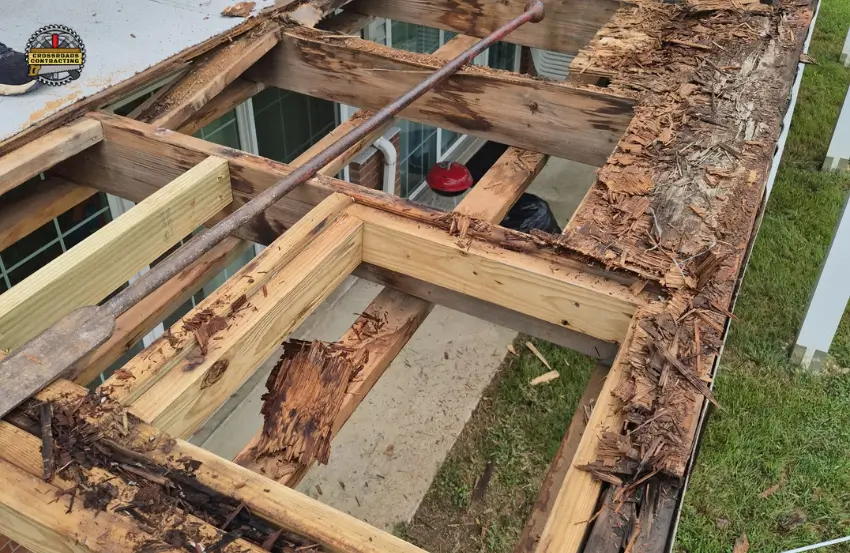
Poor attic ventilation can contribute to moisture accumulation, condensation, deteriorated insulation, mold or mildew growth, and deterioration of roof components. The Department of Energy notes that moisture can enter an attic from roof leaks, flashing problems, household water vapor, and other pathways.
This means that ventilation should not be treated as a substitute for roof repair. For example, a homeowner might notice damp insulation and assume the attic simply needs another vent. However, the actual cause could be a roof leak, damaged flashing, or an exhaust fan incorrectly discharging into the attic.
A professional Roof Ventilation Inspection Chesapeake Beach MD should therefore consider both airflow and moisture sources. Correct diagnosis can prevent homeowners from spending money on ventilation changes that fail to address the underlying problem.
What Are the Signs of Attic Ventilation Problems?
Homeowners may notice several warning signs before a ventilation problem causes obvious roof failure. Excessive attic heat during summer, damp insulation, condensation around roof sheathing, musty odors, visible mold, deteriorated wood, or recurring moisture stains can indicate an attic environment that needs further investigation.
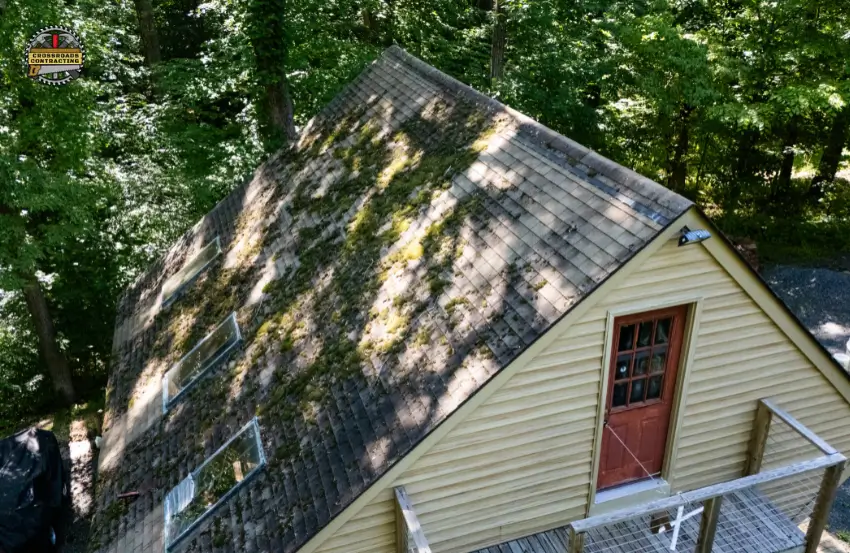
Some symptoms can also appear outside the attic. Premature shingle deterioration, warped roofing materials, or repeated problems around roof penetrations may justify a closer inspection of the entire roofing system. These symptoms are not proof of a ventilation problem by themselves. A qualified contractor should determine whether the cause is ventilation, insulation, air leakage, roof damage, moisture intrusion, or a combination of issues.
How Should Roof Ventilation Be Designed?
A balanced ventilation system generally uses low intake ventilation and high exhaust ventilation. The Department of Energy describes soffit vents as common intake points and ridge vents, gable vents, or other upper-level systems as possible exhaust approaches. The applicable building code also matters. The International Residential Code states that enclosed attics and enclosed rafter spaces require cross ventilation, with specific requirements for ventilation openings and minimum net free ventilating area.
However, the correct design depends on the home’s roof configuration, insulation, attic layout, existing vents, and applicable code requirements. Simply installing more exhaust vents can actually create an unbalanced system when intake ventilation is inadequate. For that reason, you should evaluate Attic Ventilation Problems Chesapeake Beach MD as part of the complete roof-and-attic assembly rather than as an isolated vent issue.
Can Poor Ventilation Increase Energy Costs?
Attic conditions can affect how effectively insulation performs. The Department of Energy explains that proper air sealing and insulation work together with ventilation to create a more durable and comfortable home.
Consider a Chesapeake Beach homeowner who adds insulation but unintentionally blocks the soffit vents. The insulation improvement may not deliver the expected result because the ventilation pathway has been restricted. Installing insulation without considering existing airflow can therefore create another building-performance problem. A better approach is to evaluate insulation depth, air sealing, soffit intake, roof exhaust, and moisture conditions together. This can provide better long-term value than repeatedly correcting individual symptoms.
What Does Roof Ventilation Repair Cost?
The cost of Roof Ventilation Repair Chesapeake Beach MD depends heavily on what is causing the problem. Clearing blocked intake vents may be relatively straightforward, while installing or modifying ridge ventilation, repairing soffits, correcting damaged roof vents, replacing deteriorated components, or addressing moisture-damaged materials can require considerably more labor.
The roof’s size, pitch, accessibility, existing ventilation design, roofing material, insulation condition, and extent of moisture damage can all affect the final project cost. A homeowner should compare estimates according to the actual scope of work rather than choosing solely on price. A professional proposal should explain the observed problem, recommend corrections, list the materials involved, outline the expected work, and indicate whether additional repairs may be necessary after exposing concealed conditions.
What About Permits and Local Compliance?
Roofing ventilation projects should be evaluated according to the property’s jurisdiction and the scope of work. Calvert County states that roof construction or replacement of sheathing requires a building permit, while a Critical Area property has a specific exception when the work consists solely of shingle replacement. The county also notes that properties in Chesapeake Beach may require Beach Application Approval as part of applicable building-permit processes.
This is particularly relevant because Chesapeake Beach is within Calvert County but has its own municipal requirements. Homeowners should verify requirements before undertaking substantial roofing modifications. A contractor familiar with Maryland requirements can help you identify when to consider permitting or local approvals rather than treating every roof project as identical.
Why Local Knowledge Matters in Chesapeake Beach
Chesapeake Beach properties experience coastal and weather-related conditions that can place stress on roofing components. Wind, humidity, rain, seasonal temperature changes, and moisture exposure can affect how roofing and attic systems perform over time. For a local homeowner, a ventilation assessment should consider the complete building envelope rather than focusing on one vent. Crossroads Contracting LLC serves homeowners in North Beach, Chesapeake Beach, and surrounding Southern Maryland communities and can evaluate roofing concerns as part of a broader exterior maintenance strategy.
The same principles apply when homeowners compare contractors serving other Maryland communities, Washington, DC, or Virginia, but local permitting requirements can differ by jurisdiction. Maryland, Virginia, and the District of Columbia each operate under their applicable building and permitting frameworks, so you should always confirm project requirements for the property’s location.
When Should You Schedule a Roof Ventilation Inspection?
Consider a Roof Ventilation Inspection in Chesapeake Beach MD when an attic becomes unusually hot, moisture repeatedly appears, insulation becomes damp, mold or mildew develops, roof materials deteriorate unexpectedly, or you plan a roof replacement. An inspection is also useful before making major insulation improvements. You should understand the ventilation pathway before adding or modifying insulation so that you do not accidentally obstruct intake and exhaust routes.
The goal is not simply to install more vents. The goal is to create an appropriate roof-and-attic system that controls moisture, supports insulation performance, protects roofing materials, and complies with applicable requirements. For Chesapeake Beach homeowners, addressing ventilation concerns early can help reduce the risk of moisture-related deterioration and unnecessary future repair costs. A professional assessment from Crossroads Contracting LLC can help identify whether the problem is ventilation, insulation, air leakage, roof damage, or a combination of these factors, allowing the homeowner to make a practical decision based on the actual condition of the property.