Roofing nail pops occur when nails securing asphalt shingles begin to back out of the roof deck, lift the shingles, or become visible through the shingle surface. Common causes include improper nail placement, nails driven too shallow or too deep, movement in the roof decking, moisture-related wood changes, and repeated temperature fluctuations. These problems can loosen shingles, damage their protective surface, and create potential entry points for water.
For homeowners in North Beach, Prince Frederick, Chesapeake Beach, and throughout Calvert County, Maryland, roofing nail pops deserve attention because rain, wind, humidity, and seasonal temperature changes can put stress on roofing materials. A nail that rises slightly may seem minor, but it can eventually lift an overlapping shingle or damage the seal that helps protect the roof from water.
The right solution depends on the cause. Roof Nail Pops Repair may involve removing or resetting an improperly installed fastener, replacing a damaged shingle, securing loose roofing materials, or repairing deteriorated decking. Simply hammering a nail back into place without checking the surrounding materials can leave the underlying problem unresolved.
Crossroads Contracting LLC helps homeowners understand roofing concerns and determine when professional repairs are appropriate. A roof inspection can identify the source of Roof Shingle Nail Pops and help prevent a small fastening issue from developing into a more extensive roof leak or decking repair.
What Causes Roofing Nails to Pop Through Asphalt Shingles?
Roofing nail pops usually result from installation problems, roof movement, or deterioration around the fasteners. Identifying the actual cause is essential because the correct repair must address more than the visible nail.
1. Improper Roofing Nail Installation
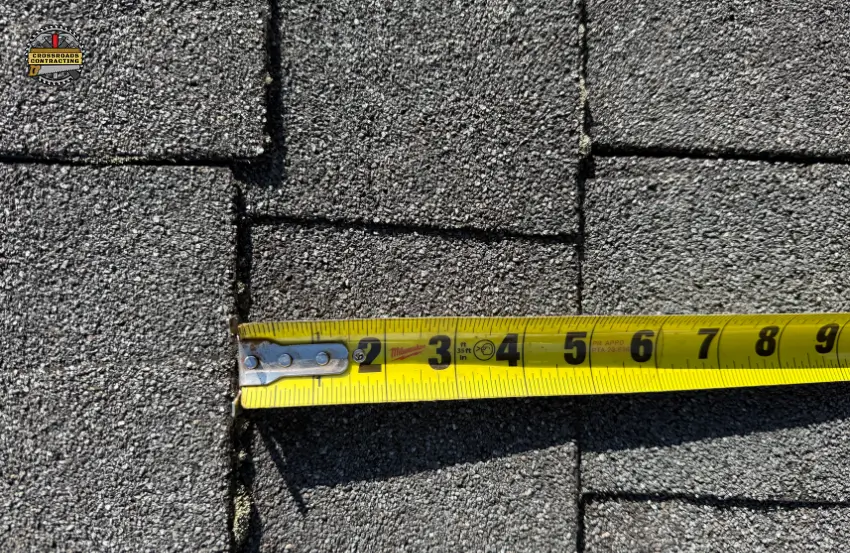
Roofing nails must be driven straight and seated correctly according to the shingle manufacturer’s installation instructions. Nails that are underdriven may protrude above the shingle, while overdriven nails can cut into the shingle mat and reduce its ability to hold securely.
Nails placed too high, too low, or outside the recommended fastening zone may also fail to secure shingles properly. Incorrect nail length or inadequate penetration into the roof deck can contribute to loose materials.
2. Roof Decking Movement and Moisture
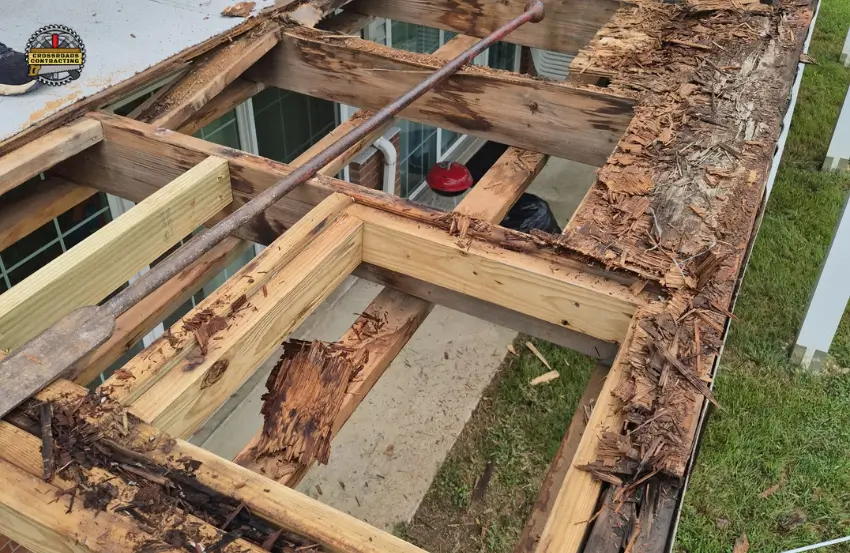
Roof decking expands, contracts, and responds to moisture conditions. Repeated changes can affect the stability of fasteners, particularly where plywood or other decking materials have deteriorated or become damp.
Moisture problems may result from an existing roof leak, poor attic ventilation, or another source of water intrusion. However, nail pops alone do not prove that ventilation or decking is defective. An inspection should establish whether moisture damage is present and identify its source.
3. Seasonal Temperature Changes and Wind
Maryland experiences seasonal temperature fluctuations, summer humidity, storms, and occasional strong winds. These conditions can stress roofing components and expose weaknesses in existing installation work.
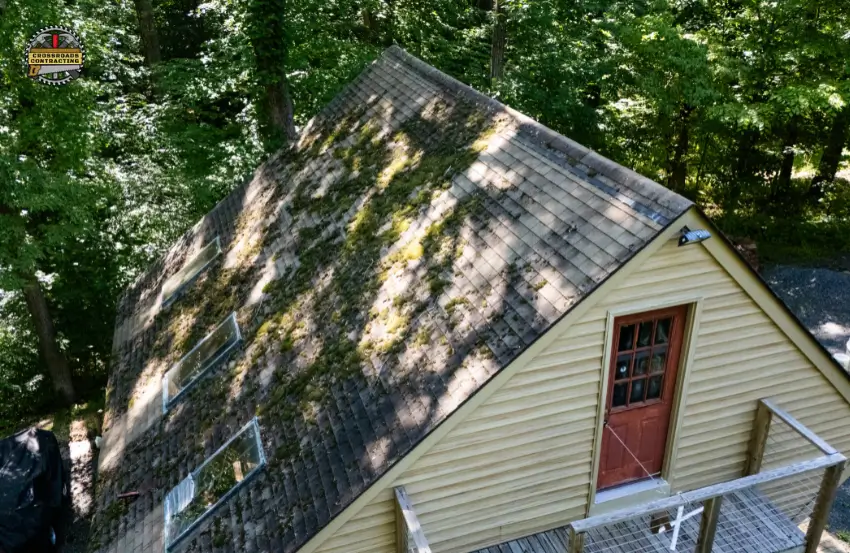
Wind can lift poorly secured shingles, while temperature changes affect roofing materials and the surrounding structure. Older roofs may be more vulnerable when their shingles, fasteners, or decking have already deteriorated.
How Can Homeowners Recognize Roof Shingle Nail Pops?
Roof nail pops are not always obvious from the ground. Some appear as small bumps beneath shingles, while others expose nail heads or create raised areas along the roof surface.
Common warning signs include:
-
Raised bumps or uneven spots on asphalt shingles.
-
Visible nail heads protruding through shingle surfaces.
-
Shingles that appear lifted, loose, or poorly aligned.
-
Small cracks or splits near exposed fasteners.
-
Water stains on ceilings or attic surfaces.
-
Loose shingle edges or granules accumulating near damaged areas.
These signs can also indicate other roofing problems. For example, a lifted shingle may result from wind damage, and a ceiling stain may originate from flashing, a roof valley, or another leak source. A professional inspection can distinguish nail pops from similar issues.
Roof Nail Pops Repair: What Is the Correct Solution?
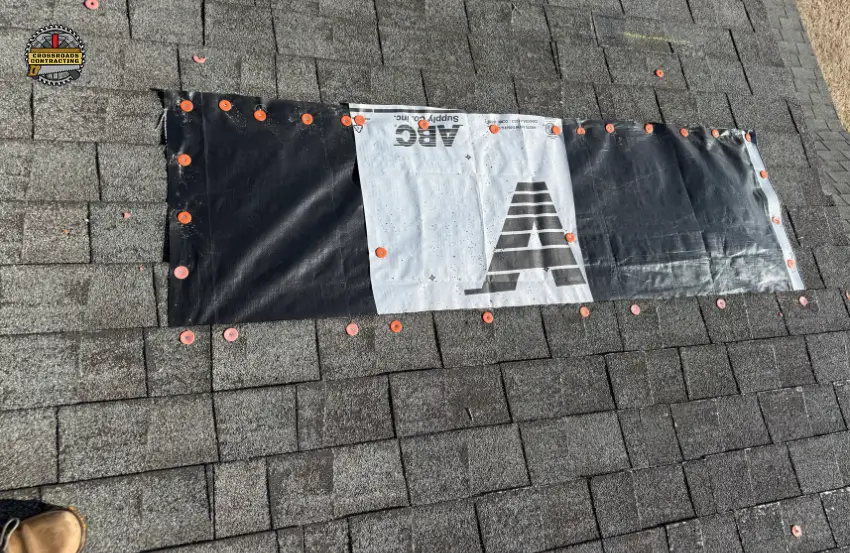
Effective Roof Nail Pops Repair starts with identifying why the fastener has moved. Roofing professionals should examine the affected shingles, nail placement, roof deck, and nearby flashing before selecting a repair method.
Recommended Repair Methods
| Roofing problem | Appropriate repair approach |
|---|---|
| Slightly raised nail with an intact shingle | Assess the fastener and reset or replace it as appropriate. |
| Cracked or punctured shingle | Replace the damaged shingle and correct the fastening issue. |
| Loose nails caused by deteriorated decking | Repair or replace damaged decking before securing new shingles. |
| Multiple nail pops across a roof section | Inspect installation quality, moisture conditions, and surrounding shingles. |
| Nail pops accompanied by interior leaks | Locate the water entry point and repair all affected roofing components. |
Correct fastening is important for roof performance. GAF’s technical guidance on improperly driven nails explains how underdriven, overdriven, and angled nails can damage shingles or contribute to nail pops.
Should Homeowners Repair Nail Pops Themselves?
Roof repairs involve fall hazards, and lifting shingles incorrectly can cause additional damage. Homeowners should avoid climbing onto a roof to hammer down exposed nails or applying sealant as a substitute for a proper repair.
A professional can determine whether the existing shingle can be retained or needs replacement. This approach helps preserve the roof’s water-shedding design and reduces the risk of hidden damage.
How Much Does Roofing Nail Pops Repair Cost in Maryland?
The cost depends on the number of affected shingles, roof accessibility, labor requirements, material condition, and whether the roof decking needs repair. A small, isolated repair generally requires less work than widespread nail pops associated with damaged shingles or moisture intrusion.
| Repair factor | Potential cost impact |
|---|---|
| One or a few affected shingles | Typically a smaller repair scope |
| Multiple affected roof sections | More inspection and repair labor |
| Damaged or brittle shingles | May require additional shingle replacement |
| Rotted or weakened decking | Adds carpentry and material costs |
| Steep or difficult-to-access roof | May increase labor and safety requirements |
These are relative cost considerations, not fixed price quotes. Actual pricing should be based on an inspection and written estimate.
For homeowners in North Beach, Prince Frederick, and Chesapeake Beach, addressing a minor fastening problem early may help avoid more extensive repairs. However, the financial benefit depends on the roof’s actual condition and whether other damage is present.
Preventing Roofing Nail Pops in Maryland Homes
Preventive maintenance begins with proper installation and continues with periodic inspections. Maryland’s coastal communities can experience heavy rain, humid conditions, and strong winds, making it worthwhile to monitor roof performance after significant storms.
Practical preventive measures include:
-
Schedule periodic roof inspections, particularly after severe weather.
-
Check ceilings and attic spaces for unexplained water stains.
-
Keep gutters and drainage pathways clear.
-
Address roof leaks promptly to limit moisture exposure.
-
Use qualified roofing professionals who follow shingle manufacturer instructions.
-
Investigate recurring nail pops rather than repeatedly covering exposed nails with sealant.
Homeowners in Maryland, Virginia, and the Washington, DC, region should also consider the age and overall condition of their roofs when deciding between localized repairs and broader replacement work.
Local building requirements can vary by jurisdiction and project scope. Contractors should verify applicable permitting requirements when repairs extend beyond routine maintenance or involve structural decking work.
When Should You Contact a Roofing Contractor?
Professional evaluation is advisable when exposed nails recur, multiple shingles appear raised, shingles become cracked, or water stains develop inside the home. Widespread nail pops may indicate an installation problem or movement beneath the shingles that requires a broader assessment.
For example, a homeowner in Calvert County may notice a small bump after a windy storm. The visible bump could be an underdriven nail, but an inspection may reveal a punctured shingle or damaged decking. Repairing only the visible nail without addressing that damage could leave the roof vulnerable to future leaks.
Crossroads Contracting LLC serves homeowners from its North Beach, Maryland, location. The company can help homeowners assess roofing concerns and determine an appropriate next step.
Learn more about the company at Crossroads Contracting LLC. For independent homeowner guidance, consult the National Roofing Contractors Association’s asphalt shingle roof resources.
Frequently Asked Questions
Are roofing nail pops serious?
They can be. Exposed or raised nails may damage shingles, weaken their attachment, and create pathways for water. Prompt assessment helps determine the extent of the problem.
Can roofing nail pops cause roof leaks?
Yes. A protruding nail can puncture an overlying shingle or disrupt the roof’s protective surface. Water intrusion depends on the damage and surrounding roofing conditions.
Can nail pops be repaired without replacing the entire roof?
Often, yes. Isolated nail pops may be repaired locally when the surrounding shingles and roof deck remain in good condition. Widespread deterioration may require more extensive work.
How often should an asphalt shingle roof be inspected?
Periodic inspections are sensible, with additional checks after significant storms or when signs of damage appear. The appropriate frequency depends on roof age, condition, and exposure.
Protect Your Roof From Further Damage
Roofing nail pops may start as a small fastening issue, but ignoring them can allow shingle damage and water intrusion to develop. Identifying the underlying cause, repairing affected materials correctly, and maintaining the roof can help protect a home’s structure and long-term value.
Crossroads Contracting LLC can help homeowners in North Beach and surrounding Maryland communities evaluate roofing concerns and explore suitable repair options. Visit Crossroads Contracting LLC or call (443) 219-7323 to discuss your roofing needs.